By Michele Trucksis
I am a gardener of native flowering plants. I delight in the delicate blooms of early spring, known as ephemerals, and in the bright, joyful flowers of summer. Each spring, I eagerly explore Wayland’s woods and conservation lands in search of the first blossoms that announce winter has finally given way to spring.
Among the earliest to appear are the spring ephemerals. These remarkable plants are adapted to complete most of their annual life cycle — emerging, flowering and setting seed — before the tree canopy fully leafs out. They take advantage of the brief window of sunlight that reaches the forest floor each spring.
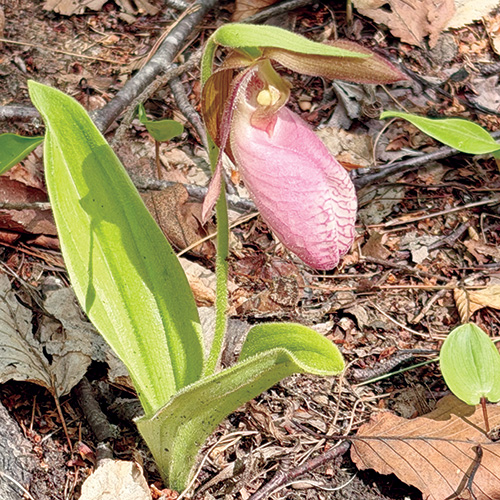
One of the most treasured spring discoveries is the pink lady’s slipper (Cypripedium acaule), a native New England orchid found in pine and oak forests. Because of habitat loss, climate change, and its poor success when transplanted, it is considered a species of special concern under the Massachusetts Endangered Species Act. Seeing one in bloom is always a memorable experience.
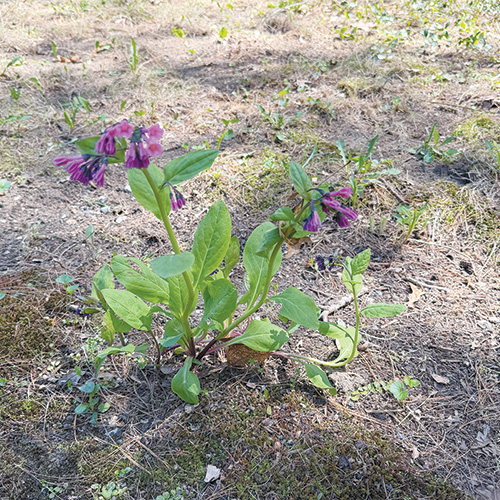
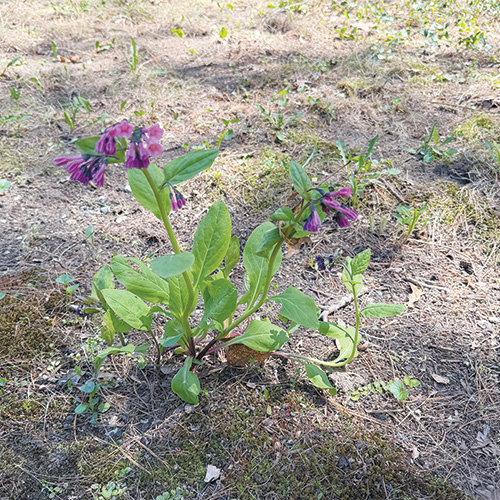
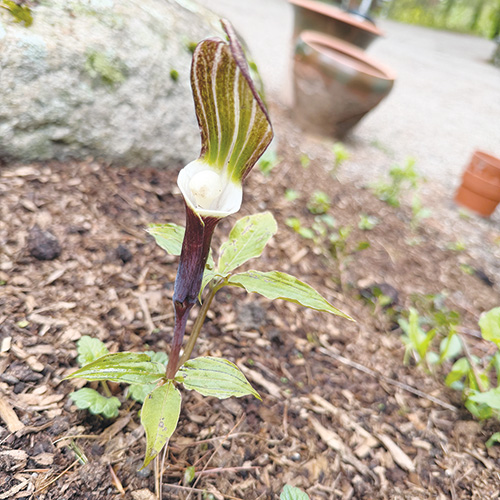
Other spring ephemerals found in Wayland include Virginia bluebells (Mertensia virginica), whose beautiful blue flowers and large green leaves brighten woodlands in May before disappearing by June. Jack-in-the-pulpit (Arisaema triphyllum) is another fascinating native plant. It produces large leaves divided into three leaflets and a distinctive hooded flower — the “pulpit” — that conceals a club-like spike, or “Jack.” One of its most remarkable characteristics is its ability to switch between male and female from year to year, depending on the plant’s age, size and growing conditions. Female plants produce clusters of bright red berries after the flowers fade.
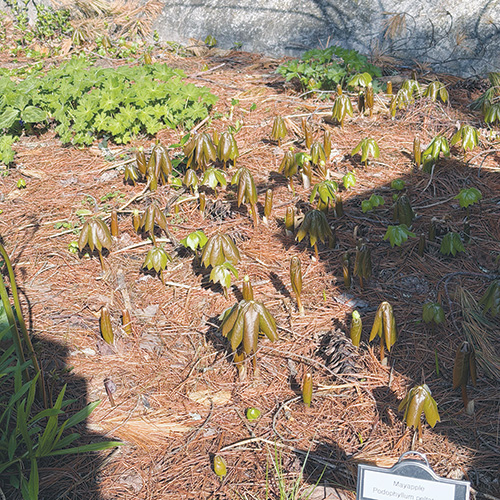
Another woodland favorite is mayapple (Podophyllum peltatum), which often forms large colonies in shady areas. Its single white flower is hidden beneath the umbrella-like leaves and later develops into a small fruit that provides food for wildlife.
As spring progresses, a second wave of native plants begins to bloom. Unlike ephemerals, these flowering perennials retain their foliage throughout the summer, providing lasting beauty and ecological benefits.
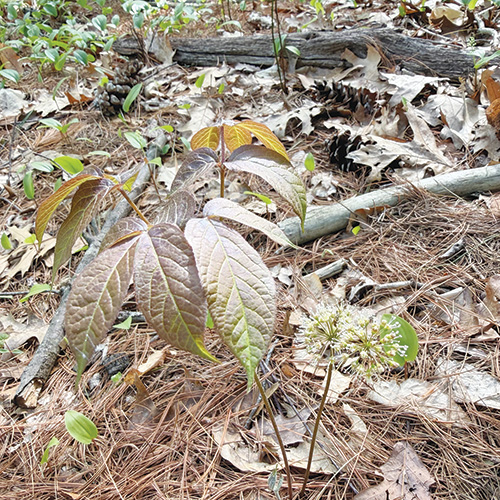
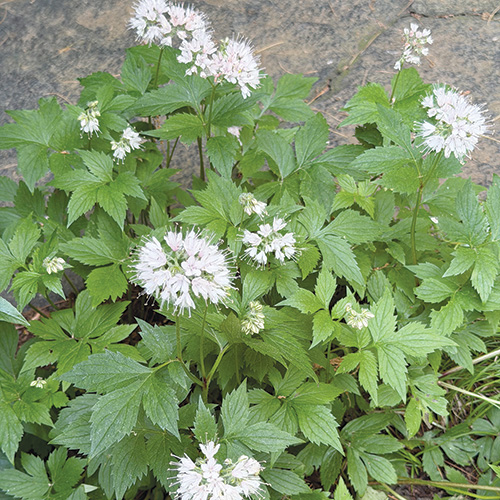
Wild sarsaparilla (Aralia nudicaulis) has an unusual growth habit, with a single leafy stalk arising separately from a leafless flowering stem. Virginia waterleaf (Hydrophyllum virginianum) thrives in partial to full shade, making it an excellent choice for many Wayland gardens where mature trees create woodland conditions. It produces delicate clusters of pale flowers from May through June.
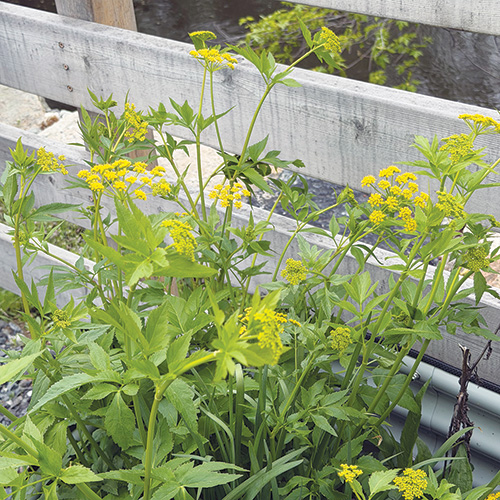
Golden Alexanders (Zizia aurea) prefer full sun but also grow well in partial shade. Reaching 1 to 3 feet in height, they are topped with cheerful clusters of bright yellow flowers. Ecologically, they are especially valuable because they serve as a host plant for the larvae of the black swallowtail butterfly.
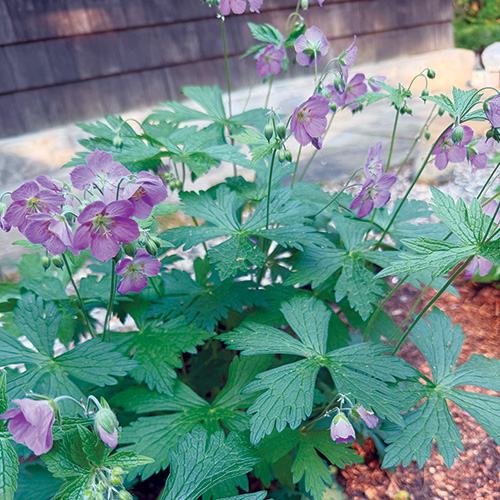
Wild geranium (Geranium maculatum) is another woodland gem. It flourishes in partial shade and produces an abundance of flowers ranging from soft pink to lavender. Its attractive foliage remains green throughout the summer before turning brilliant shades of red and orange in autumn. Like many native plants, it also serves as a host plant for several species of native moths and butterflies.
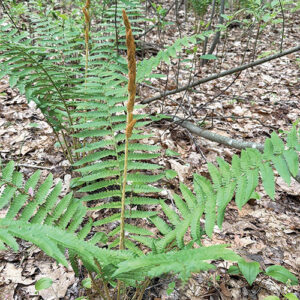
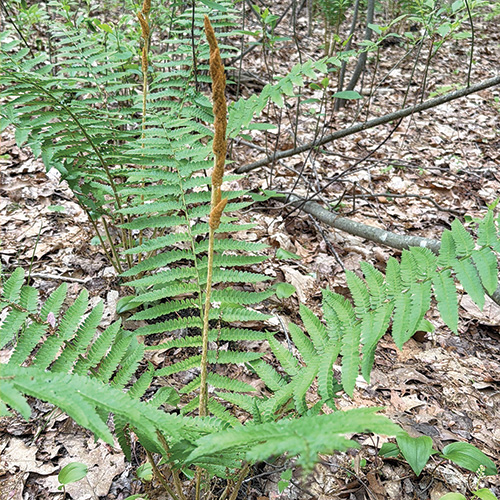
My favorite native fern is the cinnamon fern (Osmundastrum cinnamomeum). These magnificent ferns grow 2 to 3 feet tall and thrive in the cool shade of wetlands and woodlands, including portions of Wayland’s Greenways Conservation Area. Their common name comes from the distinctive cinnamon-colored fertile fronds that emerge in spring, standing upright among the lush green foliage.
One of the greatest pleasures of gardening with native plants is that every season offers something new to discover. Whether you are exploring one of Wayland’s conservation areas or simply walking through your own backyard, take a moment to appreciate these remarkable plants. They not only bring beauty to our landscapes but also provide essential habitat for birds, butterflies, bees and other wildlife that depend on them.
In communities like Wayland, where forests, wetlands, and conservation lands remain an important part of the landscape, residents have an opportunity to extend that habitat into their own yards. The result can be neighborhoods that are not only more colorful, but more resilient and welcoming to native wildlife.